
The Hub blog
Ethical design: what is it?
Ethical design? Have you heard of it?
Ethical design is a reflection on the designer’s responsibility towards people and modern society. The question of ethical design first emerged in the United States after several controversies over digital giants that were sometimes said to misuse “persuasive design”.
For example, a famous video went viral on Twitter showing two Facebook staff members using a soap dispenser in the company’s toilets. The video shows that when a white staff member used the soap dispenser, he got soap easily. But when a Black staff member put his hand under the sensor-operated soap dispenser, he got no soap at all, even after several attempts. When he put a piece of white paper on his hand, it worked.
Apparently, the sensor wasn’t able to detect his hand. This is a typical example of a lack of ethical design. If a product’s developers and designers don’t take certain possibilities into account, it will affect human-machine interactions, which then raises an ethical problem. (The video: https://www.youtube.com/watch?v=YJjv\_OeiHmo)
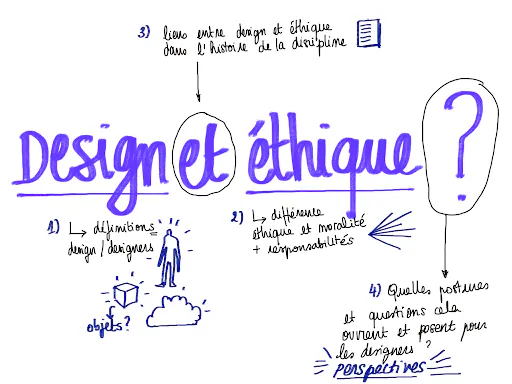
Today, the use of certain digital tools raises complex ethical issues: personal data protection, digital addiction, abusive attention capture, abusive advertising, unconsciously racist or sexist UX design, etc.
These excesses lead us to question the designer’s responsibility.
Today, the Dgitags Team will introduce you to the concept of ethical design, as well as the debates and controversies surrounding this topic.
Ready? Let’s go!
I/ The concept of ethical design
Ethical design essentially consists of making conscious design decisions that harm no one. Ethics comprises moral principles that dictate what we should or shouldn’t do in particular situations.
Making an ethical decision can prove tricky. For example, a bad design decision can demean certain people based on their gender, race, religion, language or other characteristics (e.g. emoji skin tones).
As an ethical designer, you need to pay attention to certain political, economic, social or even environmental aspects.
II/ The categories of UX ethics
Here are the 5 aspects of UX ethics:
1/ Usability: usability refers to the effectiveness and satisfaction with which a user can achieve a specific goal using a particular feature, design solution or product. For example, a designer must create interactive user interfaces that are easy for everyone to use. E.g. a person with a disability must be able to use their phone.
2/ Privacy: our privacy is today a concern that ties in with ethical design. Personal information is becoming less and less personal, since large companies and organisations have access to this data. As a UX designer, you are responsible for the appropriate use of this information. For example, designers must be able to identify which access to user data is genuinely necessary.
3/ Influence: designers often have to influence users’ behaviour and thought processes. The line between healthy and abusive persuasion is a fine one.
For example: imagine you need to test an app. You decide to sign up for the free version just to try it. Suddenly, a big red pop-up window appears. It says the premium version is 10% off today and that you should sign up for that instead. The button to close the pop-up is nowhere to be found. Instead, there’s a “Sign me up” button. You have two options: close the app and give up, or sign up for the paid version with no free trial. This kind of persuasion tactic is highly unethical.
Estelle Leotard, UX writer at Studicus, says: “If the intention of a design project is to downgrade or ignore users’ needs and convince them to buy or use something, then ethics will be a problem.”

4/ Sustainability: Do you pay attention to the environment and ecology when designing your product? If the answer is no, your approach isn’t ethical. It’s important to encourage sustainable consumer behaviour to avoid overconsumption, and to encourage eco-design, that is, taking into account the pollution generated by the product.
For example: the pixels on screens that display an interface are more or less energy-hungry. A white or blue pixel requires much more energy than a black pixel. So try to favour a dark-background design or create a standard interface with an option to switch to dark mode.
5/ Society: As an ethical designer, you must be aware of the effects of your products on people’s overall mental health. You therefore need a personal ethic in order to take this aspect into account.
Every designer chooses to have an impact on the people who come into contact with their work, so they know very well whether it can hurt or help them. Designers are responsible for the work they share with others, and therefore for users’ mental health.
III/ Becoming a good ethical designer
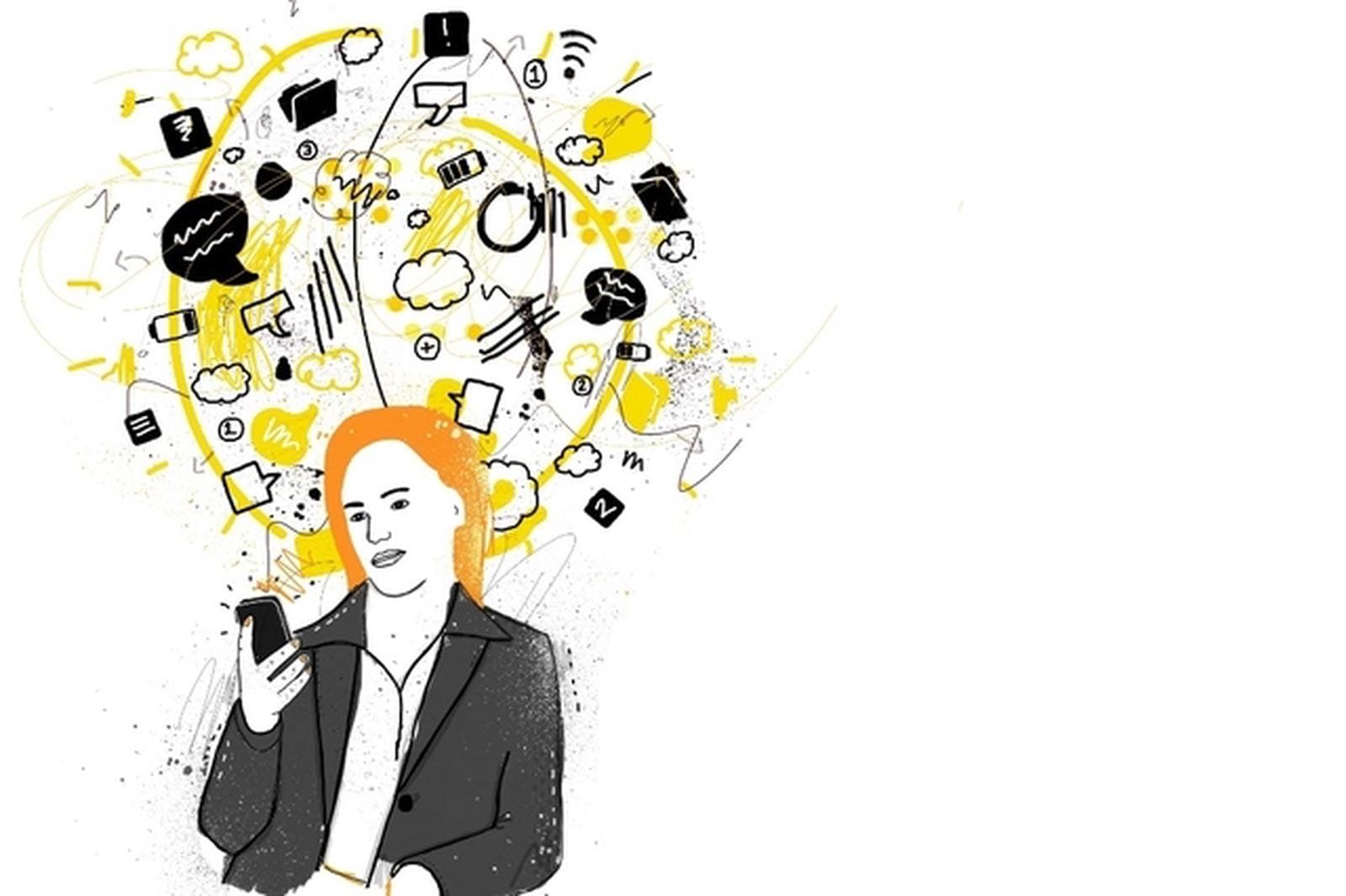
The designer must do their best to put the target users’ needs at the centre of every decision they make (and not, for example, their company’s needs). You should start with user-centred UX research: creating user personas and carrying out surveys, observations, in-house and remote tests, and interviews.
The feedback gathered should be used to inform the designer’s decisions as well as possible. As a result, the final product is user-centred. It will be designed to help users achieve their goals easily and efficiently.
User-centred design sells what people genuinely need while offering all the choices necessary to guarantee transparency and trust. What’s more, the design hides no information needed to make a good decision.
Here are a few tips for being a good ethical designer:
o Start your UX projects with the right mindset
- Become aware of your personal responsibility by choosing a company that shares your values.
- Think about the potential consequences of your product (good and bad).
- Try to keep the positive aspects in mind. Don’t forget to avoid certain negative aspects such as invasion of privacy or wasted time.
o Always offer several options
Give your user freedom. Remember the earlier example of the pop-up window that forced the user to sign up? That’s exactly something to avoid, because it harms the user experience and is unethical. You must give your user several options.
o Explain what’s going to happen
Ethical UX design must be centred on the user’s best interests. You therefore need to explain certain concepts and features to users so that they don’t affect their experience.
For example: on landing pages, the designer must make sure the user understands what they’re choosing. Ryanair explains baggage options to customers by showing a visual and a bullet list containing the features of the different options. The goal is for the user to understand what they’re going to pay for.
o Be transparent about privacy
If you collect private information about users, make sure they know how you plan to use it. To do so, you must make it easy to access in the appropriate place. Under no circumstances should you hide it elsewhere on the website or app.
o Make cancellation easy
Some unscrupulous UX designers make creating an account very easy by designing the simplest possible user interface. But if you want to delete your account, it’s a different story altogether. If you ask the user to create an account, sign up for a newsletter or carry out an action, always include a cancellation option.
Conclusion
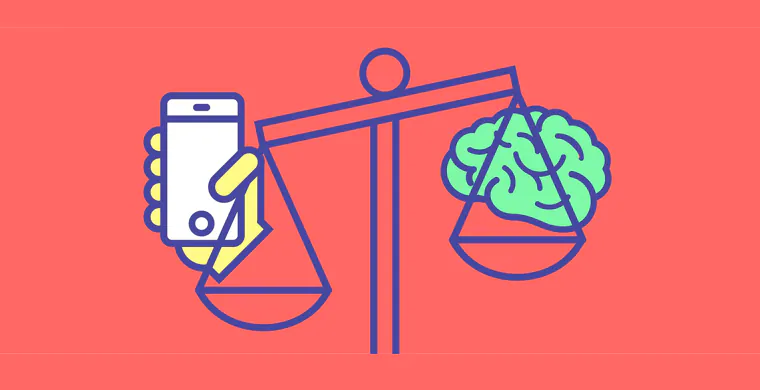
The concept of ethical design is still vague and belongs to the realm of philosophical, political and social questioning. Indeed, ethical design invites us to reflect on how we approach design by taking into account the social, human and even environmental impact of digital interfaces and products.
Indeed, designers are in a unique position to influence people’s lives, so they must be aware of the ethical questions that come with this role.
As an ethical designer, you must therefore respect ethical design practices in all your design decisions. Make sure that no element of product or user interface design conveys discriminatory, abusive or regressive messages.
The last thing to consider is that ethical designers also want to give meaning to what they do every day. They want their actions on their environment to be as good as possible. They may not help save lives the way doctors or firefighters do, but on their own scale they want to help create a more positive impact around them. That’s why a designer’s personal responsibility when creating a product is essential.
There you go! That’s already the end… The Dgitags team hopes you enjoyed this article and that it was a good introduction to the world of ethical design. For more content, feel free to visit our website.
If you need advice or experts, our teams are here for you, don’t hesitate to reach out to them.
Our services:
- Our developer studios
- SEO by Donutz
- SEA by Donutz
- A network of freelancers, experts in their field (design, web marketing, product)
See you soon!
Sources: