
The Hub blog
Mistakes to avoid when working with freelancers
Working with freelancers can be a smart choice if you’re looking for specific skills without taking on full-time staff. However, there are a few mistakes to avoid if you want the collaboration to pay off. In this article: the common pitfalls companies fall into when working with freelancers, and above all how to avoid them.
This practical guide will take you step by step through the best practices for building a successful, lasting collaboration with freelancers, taking every important aspect into account: rates, time and the quality of the work delivered.
Common pitfalls to avoid when selecting freelancers
One of the most common pitfalls when selecting freelancers is rushing the selection process. It’s essential to take the time to research and assess potential freelancers before making a decision. Look through their portfolios to gauge their experience and skills in your specific field. Also read the comments or reviews left by their previous clients to get a sense of their professionalism and reliability.
Another pitfall to avoid is focusing solely on cost when choosing a freelancer. Of course, it’s important to have a set budget, but the quality of the work and the freelancer’s experience must also be taken into account. Opting for the cheapest freelancer could mean lower-quality work or delays in delivering the project. It’s therefore better to strike a balance between cost and quality.
I’ve written a full article to help you find the best freelancer for your project — I recommend taking a look!
Not setting clear expectations and realistic deadlines
One of the main reasons a project with a freelancer fails is a lack of clarity and realism in expectations and deadlines. It’s essential to define the project’s expectations clearly from the outset. Explain in detail what you expect from the freelancer in terms of results and quality, and discuss the deadlines with them. Factor in the time needed to do the work properly and avoid setting unrealistic deadlines that could lead to delays or poor-quality work.
Not managing and monitoring the project
It’s important to keep an eye on the freelancer’s work and progress to make sure it’s being done in line with the agreed expectations and deadlines. Use project management tools to track progress and make sure you receive regular updates from the freelancer. If you notice any gaps compared with expectations, or delays in the project’s progress, communicate straight away to resolve the issue.
Not paying the freelancer properly
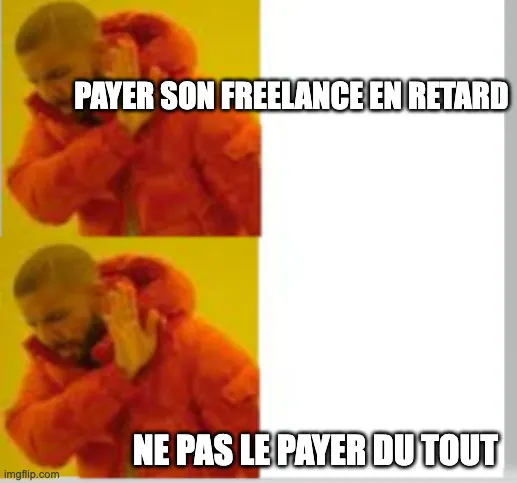
Let’s set aside the fatal mistake of not paying at all. But the process of paying freelancers can sometimes be a source of confusion and errors. To avoid these problems, make sure you have a clear, transparent payment system in place from the start of the engagement. Use secure, reliable payment methods to guarantee that payment is made safely and quickly. Just as you like your clients to pay you on time, freelancers are no exception.
Not giving honest, objective feedback
Before wrapping up a collaboration, give the freelancer honest, objective feedback on their work, along with suggestions for improving their skills. Your feedback will help them produce better work in the future. Acknowledge the freelancer’s contribution to your project by praising them publicly and thanking them for their work if it’s been well done. A small gesture like this can help you build a lasting relationship. You can also go further on this topic by reading our article on how to retain a freelancer.
Not offering references or recommendations
References and recommendations are essential for freelancers looking to grow professionally. Offer them recommendations on relevant community websites, or spread the word about them among your professional contacts.
Managing conflicts with freelancers
Even though I wouldn’t wish it on you, conflicts may arise when working with freelancers. They might involve differences of opinion on how to carry out the project, delays in delivering the work or communication problems. When this happens, it’s important to address the issues in a professional, respectful way. Start by having an open conversation with the freelancer to understand the problems and find mutually acceptable solutions. If that doesn’t resolve the conflict, you can consider calling on an external mediator to help you find a resolution.
Conclusion and tips for a successful collaboration with freelancers
Working with freelancers can be an effective strategy for accessing specific skills without taking on full-time staff. However, it’s essential to understand the potential challenges and avoid them to ensure a successful collaboration. By setting clear expectations, communicating effectively and following the freelancers’ work proactively, you’ll be able to make the most of this collaboration. Don’t forget to take the time to select the right freelancers, set realistic expectations and handle conflicts professionally.
Happy collaborating, and see you soon!